



St. Louis Termite Control and Subterranean Termites
Why should I choose Advantage Pest Control as my termite control provider?
At Advantage Pest Control Solutions, we know that there is no one size fits all solution for any pest problem or pest prevention program. But at Advantage, our services our priced right for whatever termite and pest control needs that you might have. We don't require a contract for our services and we only charge you for what you need. Whether you need a termite inspection, or a termite treatment or termite bait & monitoring program, you can be sure that you getting the best value with Advantage.
What termite services do I need?
Any homeowner or anyone who needs a termite treatment would benefit from our free termite inspection or termite estimate. If you do not have a current termite plan or contract on your home, or you are not sure that your current termite service provider is getting the job done, you qualify for a free termite inspection. Our termite inspector will do a thorough inspection of your home for visible signs of termite activity, and develop a plan to protect your home from termites.
You may also want to consider our preventative termite bait and monitoring systems or preventative termite treatments to prevent termites from damaging your home.
- Liquid Termite Treatments as Low as $600.00
- Termite Bait and Monitoring Systems starting at $500.00
Best Termite Control Value Guaranteed!
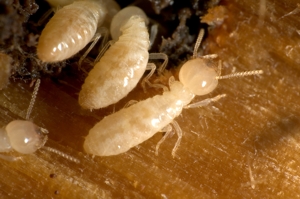
Several Options for Treatment
This page has general information about termites. The following pages have more specific information.
Free Termite InspectionWe offer free termite inspections for homeowners
Termite ReportsTermite Reports or "Written Reports" are termite inspections performed when you buy, sell, or refinance a home. These termite inspections come with paperwork for FHA, VA, and conventional loans. In some areas you may need one of these to obtain an occupancy permit.
Termites and AntsDo I have Termites of flying ants? How to tell the difference between winged ants and winged termites.
Termite SwarmersTermite Swarmers look like fllying ants or ants with wings.
Types of Termite TreatmentThere are different types of termite treatment. More about the different types of termite treatments and chemicals used to treat for termites.
Perimeter Termite TreatmentDrilling slabs inside the home can often be avoided using certain kinds of chemicals. More about perimeter termite treatments.
Termite Bait SystemsTermite Bait & Monitoring systems can be used to prevent termites or to eliminate existing termites non-intrusively.
More Termite InformationMore detailed information about termites such as information about termite mud tubes, termite damage, and termite life cycle.
Toll Free - 1-888-370-PEST(7378)
St. Louis - (314) 558-6512
Belleville - (618) 257-7321
Metro East - (618) 310-1284